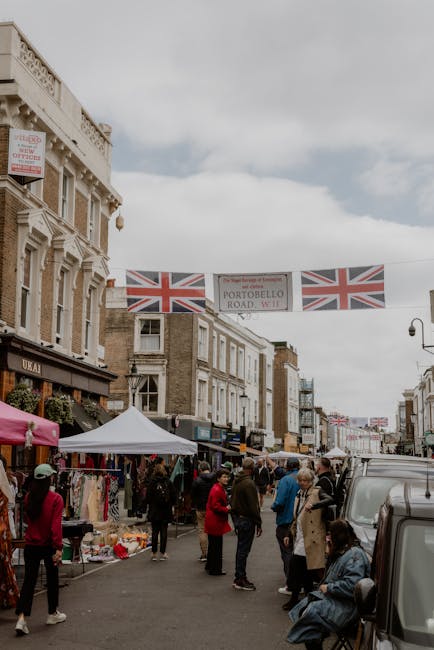
Portobello Road Victorian flat moved without damage: a practical guide for a safer, smoother move
Moving a Victorian flat off Portobello Road is not the sort of job you want to wing on the day. Narrow stairs, awkward corners, fragile plasterwork, old sash windows, parking pressure, neighbours coming and going, and the general bustle of W11 can turn a simple house move into a bit of a chess match. The good news? A Portobello Road Victorian flat moved without damage is absolutely achievable with the right planning, the right packing, and a removal team that understands older London buildings.
This guide explains what makes these moves different, how damage-free moving works in practice, and what you should check before booking anyone. You will also find a step-by-step process, a realistic comparison of moving methods, and a practical checklist you can use straight away. In other words, the useful stuff. Not the fluff.
Why Portobello Road Victorian flat moved without damage Matters
Victorian flats are lovely. Tall ceilings, original features, proper proportions, and the kind of character new-builds often fake badly. But those same features can make moving trickier than most people expect. If you are moving on or near Portobello Road, you are usually dealing with older staircases, tighter landings, uneven thresholds, and the occasional stairwell that seems designed by someone who never had to carry a sofa. True story, that feeling is familiar.
Damage matters for more than just aesthetics. Scratched bannisters, chipped plaster, dented doors, or cracked furniture can cost money, time, and patience. And if you are selling, renting, or managing a flat that has retained period details, small marks can stand out sharply against original finishes. A careful move protects both the property and the things inside it.
It also matters because older buildings can be unforgiving. Modern flats tend to give you wider corridors and simpler access. Victorian homes often give you charm instead. Nice trade-off, until the wardrobe meets the turn on the second floor.
On Portobello Road specifically, there is another layer: local movement can be affected by street activity, loading restrictions, traffic timing, and the reality that public spaces are often busier than you think. That means your removal plan has to account for access, not just packing. If you want a smoother local move, it helps to think ahead about timing and route planning. A useful place to start is the company's guide to the best times for Portobello Road moves, which fits neatly into the planning stage.
Key takeaway: A damage-free move in a Victorian flat is less about brute force and more about preparation, measurement, protection, and timing. That's the whole game, really.
How Portobello Road Victorian flat moved without damage Works
A careful Victorian flat move works by reducing risk at every stage. Instead of treating the move as one large event, you break it into smaller control points: access, packing, protection, lifting, carrying, loading, driving, and placement. Each step needs a bit of thought.
1. Access is checked before moving day
The team should understand how furniture will leave the property. Is the staircase straight or winding? Is there a tight hallway at the entrance? Are there low ceilings on the top floor? Can a sofa be turned without scraping the plaster? These are not minor details. They are the difference between a calm exit and a doorway full of regret.
2. The property is protected
Floors, corners, bannisters, and door frames are usually covered with protective materials. In a Victorian flat, where original woodwork and painted surfaces can be easily marked, this is a big deal. Good protection should feel almost overcautious. That is a good sign.
3. Items are packed for movement, not just storage
People often pack things as if they are going into a cupboard. Moving is different. Items need to survive vibration, tilting, stacking, and the occasional awkward pivot. Glassware, lamps, mirrors, artwork, and antique furniture deserve particular care. You will notice that the better the packing, the less drama later. Funny how that works.
4. Heavy and awkward items are handled with the right method
Experienced movers will use straps, blankets, trolleys, shoulder protection, and team lifting where needed. Some pieces need to be dismantled. That is not a sign of failure; it is often the smart option. A Victorian flat is a place where trying to move everything in one piece can be a little heroic and a bit silly.
5. Loading is organised to prevent shifting
Inside the vehicle, items should be loaded in a way that keeps weight balanced and minimises movement in transit. Fragile items should not end up under heavy furniture, obviously. But it is amazing how often that gets overlooked by rushed movers.
6. Delivery is paced, not rushed
The final stage matters just as much as the first. Rooms should be entered carefully, furniture checked as it is carried in, and items placed where you need them without dragging legs across floors. A damage-free move is won in those last few steps, when everyone is tired and tempted to hurry. Resist that urge.
Key Benefits and Practical Advantages
Choosing a method designed to achieve a Portobello Road Victorian flat moved without damage brings more than just peace of mind. It has practical advantages that show up before, during, and after the move.
- Lower repair risk: Better handling reduces the chance of scratches, dents, broken fittings, and chipped paint.
- Less stress: If you know the move is planned around access and fragile areas, the day feels more manageable.
- Better protection for period features: Original stairs, floorboards, architraves, and plasterwork are easier to preserve when the team knows how to work around them.
- Faster problem-solving: Proper planning means fewer last-minute surprises at the door or on the stairwell.
- More efficient use of time: Good preparation often shortens the parts of the move that usually drag on.
- Reduced risk to belongings: Antiques, mirrors, artwork, and family pieces are less likely to suffer pressure damage or impact damage.
There is also an emotional benefit people do not talk about enough. Moving out of a period flat can feel quite personal. You are not just moving boxes; you are leaving a place with creaky boards, afternoon light on the windowsill, and all the little marks of daily life. When the move is handled properly, you keep more of that good feeling intact. A bit sentimental? Maybe. But fair enough.
Who This Is For and When It Makes Sense
This approach is especially useful if you are:
- moving from a Victorian flat with narrow stairs or tight hallways
- living on or near Portobello Road where access and timing matter
- moving furniture with awkward dimensions, such as wardrobes, beds, sofas, or sideboards
- transporting antiques, artwork, mirrors, or other fragile possessions
- renting and want to avoid deposit disputes over accidental marks
- selling and want the property left in presentable condition for inspections or handover
- moving with limited time and need the day to stay organised
It also makes sense if you simply do not want to gamble with old interiors. Some people can live with a few scuffs. Others cannot. Both are valid. But if the flat has original detail, you may well decide that prevention is cheaper than repair. That is often the sensible call.
If you are comparing removal styles, a broader look at service types can help. The company's removal services page is useful for understanding the kinds of support typically available, from partial help to more comprehensive moves.
Step-by-Step Guidance
Here is a practical way to plan a move so the flat, the furniture, and everyone's nerves survive the day in good shape.
Step 1: Survey the property properly
Walk through the route from the flat to the vehicle. Measure doorways, stair widths, headroom, and any awkward bends. Note radiators, bannisters, low lighting, and anything that could catch or scuff. If you have a large sofa or bed frame, do not guess. Measure it. Then measure it again if needed. It takes minutes and can save a headache later.
Step 2: Decide what should be dismantled
Bed frames, dining tables, some wardrobes, and shelving often move better in pieces. Dismantling can reduce damage risk and make handling safer. Keep fixings in labelled bags so reassembly does not become a tiny domestic mystery the next morning.
Step 3: Pack fragile items with enough cushioning
Use proper wrapping for glass, ceramics, and framed pieces. Don't leave empty space in boxes where items can slide around. A box that sounds like a maraca is usually not a good sign. Heavier items should go in smaller boxes so they can be lifted safely.
Step 4: Protect the property before any lifting starts
Lay floor protection where foot traffic will be heaviest. Cover corners and door frames if the route is tight. In a Victorian flat, the old timber and plaster often deserve more protection than people expect. It is much easier to prevent a ding than to repair one after the fact.
Step 5: Plan the loading order
Put the items that need the most care in the vehicle first or in the safest position, depending on the vehicle layout. Keep essentials accessible if you need them at the other end. That might include documents, chargers, tea, kettle items, and a small toolkit. Because, let's face it, on moving day the kettle often becomes the true hero.
Step 6: Move one room at a time where possible
Room-by-room handling keeps chaos down. It also makes it easier to check that everything is accounted for. This is especially useful in flats with compact layouts, where boxes can quickly spread into every corner if no one is steering the process.
Step 7: Inspect as you go
Do a quick visual check before items leave the property and again once they arrive. If something looks strained or loose, stop and adjust. A minute spent adjusting a strap or rewrapping a mirror is worth it. Every time.
Expert Tips for Better Results
Here are the details that tend to separate a decent move from a genuinely smooth one.
- Use the right team size: Too few movers and the job becomes slow and risky. Too many and the flat can feel crowded. The sweet spot depends on access and furniture volume.
- Keep walking routes clear: Shoes, rugs, baskets, and random hallway clutter are the usual culprits. Clear paths make a surprising difference.
- Label boxes by room and fragility: That tiny note can save a lot of repetition when the team is unloading.
- Protect period details proactively: Stair rails, newel posts, plaster corners, and original doors are easily nicked in rushed moves.
- Book the move with local access in mind: Portobello Road can be busy and timing-sensitive. The best-moving schedule is not always the most convenient one on paper.
- Ask about insurance and handling standards: Not because you expect trouble, but because you want to know how the work is covered and what precautions are taken.
In our experience, the best results come when the customer and the movers are equally clear about the tricky bits. A quick note about the oversized mirror or the awkward sofa can save a lot of faff. Simple, but very effective.
If you want a better sense of how a local move is shaped by neighbourhood timing, the article on best times for Portobello Road moves is a sensible companion read.
Common Mistakes to Avoid
Most damage during a flat move does not happen because someone is careless in a dramatic way. It usually happens because small things were not thought through.
- Underestimating access: People often assume a sofa will just "fit somehow." Sometimes it does. Sometimes it does not. Measure first.
- Skipping protective materials: Blankets, wraps, covers, and floor protection are not extras in older properties. They are part of the job.
- Packing too much into one box: Heavy boxes are more likely to drop, split, or cause injury.
- Leaving dismantling until the last minute: That turns a tidy move into a rushed one.
- Ignoring local timing constraints: Busy streets and awkward parking can create delays that ripple through the day.
- Not telling the movers about fragile or awkward items: Surprises are rarely helpful on moving day.
- Forgetting the final inspection: A quick check before leaving the flat can catch a scuff or loose fitting while it is still easy to address.
One of the most common problems, oddly enough, is optimism. Human optimism. Lovely in life, less useful when a wardrobe is half way down a staircase. Be realistic about what the route can handle.
Tools, Resources and Recommendations
You do not need a warehouse of equipment to move a Victorian flat well, but you do need the right basics.
| Tool or resource | Why it helps | Best used for |
|---|---|---|
| Furniture blankets | Protects wood, paintwork, and corners from scratches | Tables, wardrobes, sideboards, appliances |
| Bubble wrap and paper wrap | Cushions fragile items during handling | Glass, crockery, lamps, ornaments |
| Mattress and sofa covers | Helps keep fabric clean during transport | Soft furnishings |
| Sturdy boxes | Reduces collapse and crushing risk | Books, kitchenware, mixed household items |
| Straps and trolleys | Makes lifting safer and more controlled | Heavy or bulky items |
| Label tape and markers | Speeds up unloading and room placement | All box types |
| Floor and corner protection | Prevents marks in tight hallways and staircases | Victorian flats and shared entrances |
For local move planning, it can also help to review service information before booking. If you are trying to compare options for a domestic move, the company's home moves page gives a useful sense of how a residential move is typically organised. And if you want a general overview of the business and approach, the about us page is worth a look.
If you are moving higher-value or fragile household pieces, the article on moving antiques in Notting Hill is especially relevant. Old furniture and old buildings tend to have a conversation with each other. Best to listen carefully.
Law, Compliance, Standards, or Best Practice
For a move like this, the most important practical point is to work within accepted UK moving and property-care standards, while respecting local access rules and building management requirements where they apply. That usually means using safe lifting practices, protecting shared areas, and checking parking or loading arrangements in advance. If you live in a managed block or a converted Victorian building, you may also need to follow building-specific move procedures. These can be surprisingly particular, so it is worth asking early.
Insurance is another sensible part of the conversation. Good movers should be clear about what is covered, how items are handled, and what steps they take to reduce risk. If you are ever unsure, ask questions before the move, not after a scuff appears on the bannister.
Health and safety is not just paperwork either. It should influence how lifts are planned, how paths are kept clear, and how awkward items are moved. If you want to understand the company's approach, their health and safety policy and insurance and safety information are useful reference points. For broader service terms, you can also review the terms and conditions.
There is no need to get lost in legal jargon here. The simple rule is: protect the building, protect the people, protect the belongings. That is the best practice baseline.
Options, Methods, or Comparison Table
Not every move needs the same level of support. The right choice depends on access, furniture size, time pressure, and how much you want handled for you.
| Method | Best for | Pros | Potential downside |
|---|---|---|---|
| Full removal service | Large flats, heavy furniture, tight access | More hands, more coordination, less stress | Usually costs more than a basic van-only option |
| Man and van style move | Smaller loads or simpler moves | Flexible and often efficient for lighter moves | May not be ideal for complex access or very heavy pieces |
| Packing plus move | Busy households or fragile belongings | Less packing pressure on you, more consistent protection | Needs a bit more planning and time |
| Self-packed hybrid move | People who want control over packing but need transport help | Balanced cost and involvement | Quality depends heavily on how well you pack |
For many Victorian flats on or near Portobello Road, a more hands-on removal service tends to make the most sense because access is the real challenge. A simple van can be enough in some cases, of course. But if the staircase is narrow or the furniture is awkward, the extra support is usually worth it.
If you are weighing up a more basic option against a fuller service, the article man and van vs full removals in Notting Hill is a sensible comparison point.
Case Study or Real-World Example
Here is a realistic example drawn from the kind of move people regularly face in this part of London.
A couple moving out of a top-floor Victorian flat near Portobello Road had a narrow internal staircase, a large bookcase, a bed frame, and a mirror that was far more awkward than it looked. They also had two sets of original doors with tight clearances and a hallway that turned just enough to be annoying. Nothing extreme, but enough to matter.
Before moving day, they measured the route, dismantled the bed frame, emptied the bookcase, and arranged for floor protection. The movers checked the stair turns, wrapped the bookcase legs, padded the mirror, and loaded the vehicle in a planned order so the largest items would not need to be shuffled repeatedly. The move took a bit longer than a flat with lift access, naturally, but there were no dings on the walls, no scraped bannister, and no smashed mirror. A plain outcome, maybe. But that is exactly the point.
What made the difference was not one big heroic effort. It was a series of small choices: measuring properly, packing properly, and not trying to rush the awkward bits. A boring success, in the best possible way.
Practical Checklist
Use this checklist in the days before your move. It is simple, but it covers the bits that matter most.
- Measure doorways, stairwells, and any tight turns
- Decide which furniture should be dismantled
- Label all boxes by room and fragility
- Wrap mirrors, glass, and artwork securely
- Use smaller boxes for heavy items like books
- Protect floors, corners, and bannisters
- Confirm parking or loading arrangements for the day
- Tell the movers about antiques, valuables, or awkward pieces
- Keep essential documents and chargers separate
- Do a final walkthrough before the vehicle leaves
- Check both the old property and the new one for any issue immediately after unloading
If you want help with the packing side of things, the packing and unpacking services page is a useful place to understand what professional support can include. And if you simply need a moving vehicle, the moving van option may suit a smaller, well-organised move.
Get a free quote today and see how much you can save.
Conclusion
A Portobello Road Victorian flat moved without damage is not a luck story. It is a planning story. Measure the awkward bits, protect the property, pack with care, and choose a moving method that suits the building rather than forcing the building to suit the move. That shift in mindset makes a bigger difference than most people realise.
If you are moving in this part of London, the best approach is usually the calm one. Not rushed, not improvised, not hopeful in a vague sort of way. Calm, measured, and properly prepared. That is how you protect both the flat and your peace of mind.
And honestly, when the last box is through the door and the old flat is still in good shape, the relief is something else. A quiet win. Properly earned.
Frequently Asked Questions
What makes a Portobello Road Victorian flat harder to move safely?
Older staircases, tighter hallways, period features, and local access pressures all add complexity. The building itself usually determines the pace and handling method more than the furniture does.
Can a large sofa be moved out of a Victorian flat without damage?
Yes, often it can, but it may need dismantling, careful angling, and proper protection. Measuring the route first is the best way to avoid surprises.
How do movers protect walls and bannisters in older flats?
They usually use padded covers, protective wraps, and floor protection along the route. The exact method depends on the staircase, doorway widths, and how fragile the surfaces are.
Is it better to dismantle furniture before a move?
For bulky or awkward pieces, usually yes. Dismantling can reduce the risk of damage and make carrying safer, especially in narrow Victorian stairwells.
How far in advance should I plan a move on Portobello Road?
As early as you can, especially if access or timing matters. Local traffic, parking, and loading arrangements can affect the day, so a bit of lead time helps.
What should I pack separately on moving day?
Keep essential documents, valuables, chargers, medication, keys, and basic kettle items with you. A small essentials bag saves a lot of rummaging later.
Do I need special insurance for moving a Victorian flat?
You should ask what insurance and safety measures are included with the removal service. The right cover depends on the goods being moved and the level of risk involved.
What is the safest way to move antiques in a period flat?
Use proper wrapping, stable packing, and careful handling, and tell the movers in advance which items are especially fragile or valuable. Antiques often need a slower, more deliberate approach.
How can I tell if a removal service is suitable for a tight-access flat?
Look for signs that they understand access planning, protective handling, and local move logistics. If they ask good questions about stairs, parking, and furniture size, that is usually a good sign.
Will moving in the morning or later in the day make a difference?
It often can. In a busy area like Portobello Road, timing can affect access, parking ease, and how smoothly the vehicle can load or unload.
What if my flat has very narrow stairs?
Then the route needs extra care, and some items may need to be dismantled or moved by a different method. It is better to plan for the tightest point rather than assume it will work out on the day.
What should I check after the move is finished?
Check walls, floors, bannisters, doors, and your furniture for any marks or loosened fittings. A quick inspection while the movers are still there is much easier than discovering an issue hours later.